Source Stackable Tire Display Rack for Warehouse, Supermarket, and Industrial Use
Explore 30 listings for the stackable tire display rack designed for warehouse, supermarket, and industrial applications. Buyers can compare adjustable heights, load capacities up to 1100kg, and customization options including powder coating and mobile features.
Key considerations
Products List


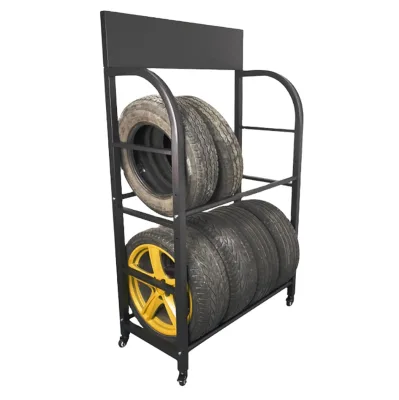


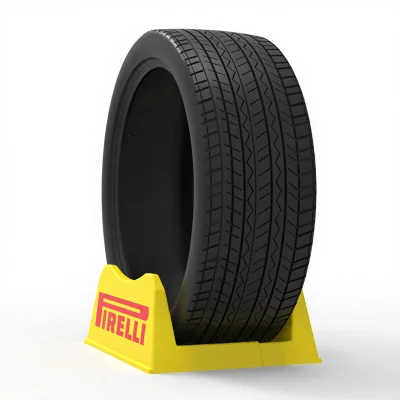

Comprehensive Sourcing Guide
Strategic Sourcing Guide for Stackable Tire Display Racks
The global demand for efficient warehouse storage solutions has elevated the importance of specialized tire display racks. These units are designed to optimize vertical space while ensuring easy access to inventory in industrial, supermarket, and automotive settings. For procurement professionals, selecting the right stackable tire rack requires a rigorous analysis of material composition, structural integrity, and logistical compatibility. This guide synthesizes verified product attributes and industry standards to provide a clear framework for sourcing decisions, ensuring that buyers can navigate the complexities of the market without relying on unverified claims.
Technical Specifications and Structural Design
The foundation of any reliable tire rack lies in its engineering specifications. Based on current market data, the primary material utilized for these structures is Steel, specifically Q235 mild steel. This raw material offers a balance of strength and cost-effectiveness, making it suitable for heavy-duty applications. The structural configuration is predominantly a Rack type, often categorized under Pallet Racking systems, which allows for high-density storage.
Dimensions vary significantly depending on the specific model and intended capacity. Common exterior dimensions observed in the market include 72" x 72" x 72" (1830 x 1830 x 1830 mm) and 60" x 60" x 60" (1524 x 1524 x 1524 mm). These measurements dictate the footprint required in a warehouse or showroom. Crucially, the loading capacity is a critical metric; verified data indicates a capacity of 1100 kg for specific models, though buyers must verify this against their specific inventory weight.
The design often features detachable posts, which facilitate assembly and disassembly. This modularity is essential for facilities that may need to reconfigure their storage layout frequently. Furthermore, the mobility of these units can range from fixed to mobile configurations. Some models are designed with adjustable mobility features, allowing them to be repositioned as needed. The color finish is typically customizable, with options ranging from standard powder coating to colorful finishes, allowing brands to align the racks with their corporate identity.
Surface Treatment and Durability Standards
Longevity in a warehouse environment depends heavily on surface treatment processes. The supplied data highlights several finishing options, including Powder Coating, Zinc plating, and Hot Dip Galvanizing. Powder coating is a common finish that provides a durable, colorful layer that resists chipping and scratching. For environments with higher corrosion risks, such as those exposed to moisture or chemicals, Hot Dip Galvanizing offers superior protection.
The product shelf life is a key consideration for long-term investment. While specific durations vary, some units are noted to last up to 3 or 5 years against proper handling. This lifespan is contingent upon the quality of the surface treatment and the care taken during installation and use. Buyers should verify the specific finish applied to the unit they are purchasing, as this directly impacts the warranty and expected service life. The standard production origin for these high-volume steel racks is often China, with specific manufacturing hubs like Dalian noted for their output.
Capacity Optimization and Stacking Capabilities
One of the primary advantages of stackable tire racks is their ability to maximize vertical storage. The stacking capability is a defining feature, with data indicating that open configurations can stack up to 4 sets, while closed configurations can stack up to 20 sets. This dramatic difference highlights the importance of selecting the correct configuration based on the facility's ceiling height and operational needs.
Tire capacity varies by model size. For instance, specific 72-inch models can accommodate between 42 to 63 pieces of tires, whereas 60-inch models typically hold 24 to 32 pieces. These figures are essential for calculating the total number of units required for a given inventory volume. Additionally, the loading efficiency in shipping containers is a critical logistical factor. Data suggests that a 40-foot high cube container can load approximately 280 sets of certain models, while other configurations may load 160 sets. Understanding these loading metrics helps in estimating freight costs and planning import logistics effectively.
Compliance, Certification, and Quality Assurance
When sourcing industrial equipment, verifying compliance with international standards is non-negotiable. While specific certification statuses can vary by manufacturer, the market often references standards such as ISO9001, TUV, BV, and SGS. These certifications indicate that the manufacturer adheres to rigorous quality management systems and product safety protocols. Buyers should explicitly request proof of these certifications before finalizing a purchase to ensure the product meets safety requirements.
The product standard is often listed as "Customized," which implies that manufacturers can tailor the rack to meet specific client requirements or local regulations. However, the base material standard, such as Mild Steel Q235, provides a consistent baseline for structural integrity. It is vital for buyers to confirm that the specific batch of products they receive meets the declared standards, as variations in steel quality can affect load-bearing capabilities.
Cost Drivers and Commercial Terms
The pricing structure for stackable tire racks is influenced by several variables, including material costs, surface treatment complexity, and customization levels. The observed price range in the market is broad, spanning from low-cost entry units to premium, highly customized solutions. Buyers should be aware that the "Factory Price" is a common term, but the final cost will depend on the Incoterms agreed upon, such as FOB (Free on Board), CIF (Cost, Insurance, and Freight), or DDU (Delivered Duty Unpaid).
Minimum Order Quantity (MOQ) is another significant cost driver. The market shows an MOQ range from 1 to 500 sets, offering flexibility for both small businesses and large distributors. However, higher volumes often yield better per-unit pricing. Lead times are generally standardized, with a typical production lead time of 20 days. Buyers must factor this into their inventory planning to avoid stockouts. Additionally, sample availability is a standard practice, allowing procurement teams to evaluate quality before committing to a large order.
Supplier Evaluation and Operational Fit
Selecting the right supplier requires a holistic view of their capabilities beyond just the product price. Key attributes to evaluate include the supplier's ability to offer OEM (Original Equipment Manufacturer) support and customization. Many suppliers in this sector offer these services, allowing buyers to brand the racks or modify dimensions to fit unique warehouse layouts. The availability of accessories, such as forklift guides and bottom wire mesh, is also a differentiator that can enhance the functionality of the rack system.
Serviceability is another critical factor. The product is generally categorized for "Common Use," meaning it is designed for standard industrial and commercial applications. However, buyers should assess the supplier's support structure for maintenance and repairs. A supplier that offers a product warranty, such as a 1-year warranty, demonstrates confidence in their manufacturing quality. Furthermore, the packing method, often involving plastic banding and stretch film wrapping, ensures that the units arrive in pristine condition, reducing the risk of damage during transit.
Long-Term Procurement and Maintenance Strategy
Sourcing stackable tire racks is not merely a one-time transaction but a strategic decision that impacts long-term operational efficiency. The customization options available, including color and standard adjustments, allow for a tailored approach that can adapt to changing business needs. The "Remark" section of product specifications often highlights "Customized and OEM Support," indicating a flexible supply chain that can grow with the buyer.
Maintenance of these racks involves regular inspection of the surface treatment and structural joints. Since the material is steel, checking for signs of corrosion or wear is essential, especially in environments with high humidity. The detachable nature of the posts allows for easy replacement of individual components if damage occurs, extending the overall life of the system. Buyers should establish a maintenance schedule that aligns with the product's shelf life expectations, ensuring that the racks remain safe and functional for their intended 3 to 5-year lifespan.
Comparative Analysis of Common Configurations
To assist in decision-making, the following table summarizes the key differences between common stackable tire rack configurations based on verified data points. This comparison highlights the trade-offs between capacity, dimensions, and shipping efficiency.
| Feature | Configuration A (72" Model) | Configuration B (60" Model) | Configuration C (Mobile Variant) |
|---|---|---|---|
| Exterior Dimension | 1830 x 1830 x 1830 mm | 1524 x 1524 x 1524 mm | Variable (Customized) |
| Loading Capacity | 1100 kg | 1100 kg | Variable (Verify) |
| Tire Capacity | 42 to 63 PCS | 24 to 32 PCS | Variable |
| Max Stacked (Open) | 4 Sets | N/A | N/A |
| Max Stacked (Closed) | 20 Sets | N/A | N/A |
| Load in 40HQ | 160 Sets | 280 Sets | N/A |
| Surface Finish | Powder Coating / Galvanized | Colorful Powder Coating | Customized |
| Mobility | Adjustable / Fixed | Detachable Posts | Mobile |
This table illustrates that while the 60-inch model offers higher container loading efficiency (280 sets vs. 160 sets), the 72-inch model provides greater tire capacity per unit. The mobile variant offers flexibility but requires specific verification of its load and stacking capabilities.
Conclusion
Procuring stackable tire display racks requires a meticulous approach that balances technical specifications, cost considerations, and supplier reliability. By focusing on verified attributes such as Q235 steel construction, specific loading capacities, and standardized surface treatments, buyers can make informed decisions that ensure safety and efficiency. The availability of customization, OEM support, and various finishing options allows for a tailored solution that fits diverse operational needs. Ultimately, the success of the procurement process depends on thorough due diligence, clear communication of requirements, and a commitment to quality standards that align with the buyer's long-term strategic goals.
FAQs
What material is used for stackable tire display racks?
These racks are constructed from Steel, specifically Q235 mild steel, to ensure structural integrity. This material offers a balance of strength and cost-effectiveness suitable for heavy-duty industrial and warehouse applications.
How much weight can a stackable tire display rack hold?
Specific models have a verified loading capacity of 1100 kg per unit. Buyers must verify this metric against their specific inventory weight requirements before purchasing to ensure safety and compliance.
Can stackable tire display racks be customized for color?
Yes, the color finish is customizable with options including powder coating and colorful finishes. This allows brands to align the racks with their corporate identity or specific warehouse aesthetic requirements.
What is the lead time for ordering these racks?
The typical production lead time is 20 days from order confirmation. Buyers should factor this duration into their inventory planning to avoid potential stockouts during peak operational periods.
How many tire sets can be stacked in closed configuration?
Closed configurations can stack up to 20 sets to maximize vertical storage space. This capability significantly optimizes warehouse volume compared to open configurations which typically stack up to four sets.
Are samples available for stackable tire display racks?
Samples are offered to allow procurement teams to evaluate quality before committing to large orders. This practice helps buyers verify surface treatment and structural integrity prior to finalizing bulk purchases.
What surface treatments are available for these steel racks?
Available finishes include powder coating, zinc plating, and hot dip galvanizing for corrosion resistance. The choice of finish impacts the product shelf life, which can extend up to five years with proper handling.